


Introduction
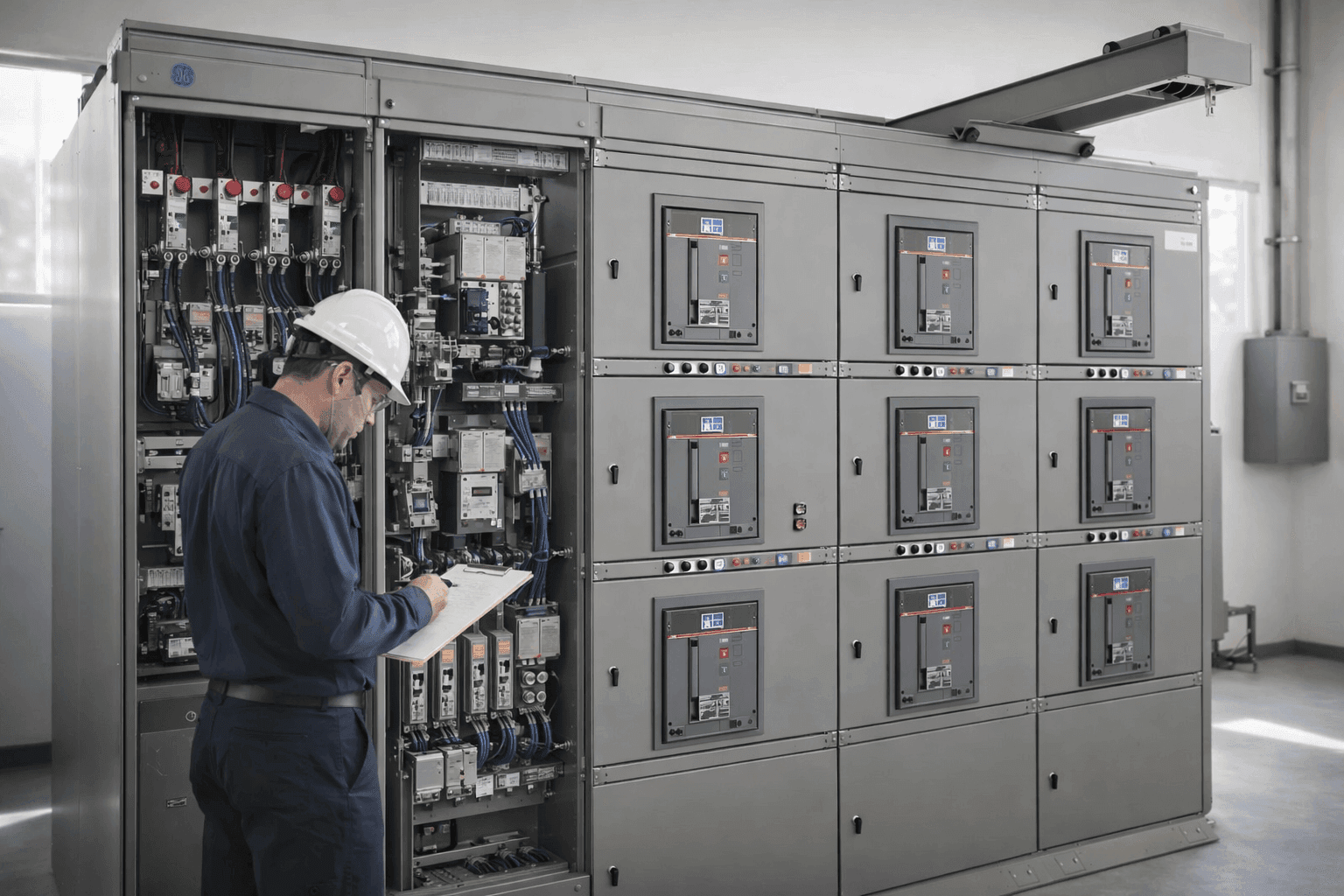
When a component inside your Motor Control Center (MCC) fails, the pressure is on — fast. MCCs are the operational backbone of motor-driven systems in manufacturing plants, water treatment facilities, and industrial HVAC setups. But finding the rightMCC replacement partscan feel like solving a puzzle without the box.
Every minute of downtime means lost productivity. Whether it’s a contactor, breaker, overload relay, or bus plug, identifying the correct part is critical to avoid safety risks, costly rework, or mismatched components. This guide will walk you through a step-by-step process to accurately source the MCC parts you need while minimizing disruption to your operations.
TLDR - Quick Guide
- MCCs house a variety of components — each with its own model, configuration, and lifecycle.
- Replacement parts must match function, ratings, form factor, and mounting style.
- BRAH Electricspecializes in aftermarket MCC parts that match OEM specs — including hard-to-source or discontinued items.
- Use catalog references, part labels, and equipment photos to confirm compatibility.
- When in doubt, consult with technical support to verify before ordering.
Detailed Breakdown
What Makes MCC Replacement Parts Tricky to Source?
MCCs often contain modular units assembled over decades — and many original parts are now discontinued. Different manufacturers have different naming systems, and many OEMs have rebranded or phased out entire product lines. Even within the same brand, small variations in part numbers can reflect major differences in electrical ratings, trip curves, or control wiring.
That’s why relying on memory or visual similarity isn’t enough. You need a detailed and structured approach to sourcing the right part.
Step-by-Step Process for Identifying the Right MCC Replacement Parts
1. Start With the MCC Unit Nameplate
Locate the nameplate or label on the MCC bucket or component. It typically includes voltage, horsepower, catalog number, and manufacturer info — all vital for identification.
2. Identify the Component Type
Know exactly what you're replacing: is it a contactor, overload relay,circuit breaker, fuse block, or disconnect switch? Misidentifying the part can lead to the wrong purchase and system failure.
3. Note All Electrical Ratings
Voltage, current rating, and trip class must match. For example, an overload relay must align with your motor’s full load amperage and response time.
4. Confirm the Mounting Configuration
MCC components are designed to fit into modular panels — so the replacement must match mounting tabs, busbar alignment, and door cutouts.
5. Use Photos and Catalogs
Photograph the existing part and compare it to the listings in a technical catalog. TheBRAH Electric catalogis designed to help you match legacy and modern replacements side-by-side.
Where to Source MCC Replacement Parts
For aging or discontinued MCCs, OEMs may not have the inventory or support you need. That’s where aftermarket manufacturers likeBRAH Electricstep in — offeringform-fit-function equivalentsbuilt to original OEM dimensions and specs. Their product line includes:
- Bus Plugs— For MCC power distribution
- Motor Controls— Including contactors, relays, and coils
- Overload Relays— Direct-fit replacements for legacy systems
- Circuit Breakers— Molded case and thermal-magnetic options
Each part is backed by a2-year warrantyand undergoes rigorous quality control to ensure operational reliability and safety.
Key Takeaways
- Identifying the right MCC replacement parts requires more than just a part number — you must confirm voltage, load capacity, form factor, and mounting.
- Use the nameplate, component label, and electrical specs to guide your selection.
- Aftermarket suppliers likeBRAH Electric offer 1:1 compatible MCC components with warranties and support.
- Always verify compatibility using a product catalog and seek technical guidance before ordering.
- Investing a few extra minutes in verification prevents costly downtime and keeps your control systems safe and compliant.
FAQs
What does MCC stand for in electrical systems?
MCC stands for Motor Control Center. It’s a modular system that houses starters, breakers, and other components for controlling multiple motors from one centralized location.
Can I replace a single MCC component or do I need to replace the entire unit?
You can absolutely replace individual components. As long as the replacement matches the electrical and mechanical specs, the rest of the MCC can remain intact.
How do I know if a replacement part will fit in my MCC?
Check the mounting style, bus plug alignment, and form factor. Using a technical catalog or consulting with BRAH Electric can confirm compatibility.
Are aftermarket MCC parts reliable?
Yes, when sourced from reputable manufacturers. BRAH Electric offers warranty-backed, direct-fit parts that match or exceed OEM standards.
What should I do if I can’t find a part number on the old component?
Take detailed photos, note any visible markings, and check the MCC unit nameplate. You can then cross-reference these details using theBRAH Electric catalog or contact their support team.