


Introduction
When it comes to replacing a part like theLC1D0910 contactor, cutting corners is not an option. The right choice directly affects your equipment’s safety, lifespan, and performance. Whether you're a facility manager, an electrical contractor, or a maintenance tech, understanding how to select a compatible and reliable replacement is critical.
Contactor failure can bring operations to a standstill. If you're dealing with aging infrastructure or equipment originally built with hard-to-find parts, sourcing a direct-fit alternative like theLC1D0910replacement becomes both a technical and logistical challenge.
In this blog, we’ll walk you through the key steps, red flags, and smart shortcuts to finding a replacement that delivers both performance and value — without the headaches.
TLDR - Quick Guide
- TheLC1D0910 contactoris a common 3-pole, 9A-rated device used for controlling motors and other electrical loads.
- Choosing a replacement means finding a part with identical specs — coil voltage, contact configuration, and mounting.
- Aftermarket options, like those provided byBRAH Electric, offer1:1 compatible solutionsbuilt to meet or exceed OEM standards.
- Always check your panel’s space constraints and wiring before installation.
- Buying from a trusted supplier ensures you get warranty coverage and proper technical support.
Detailed Breakdown
What is the LC1D0910 Contactor?
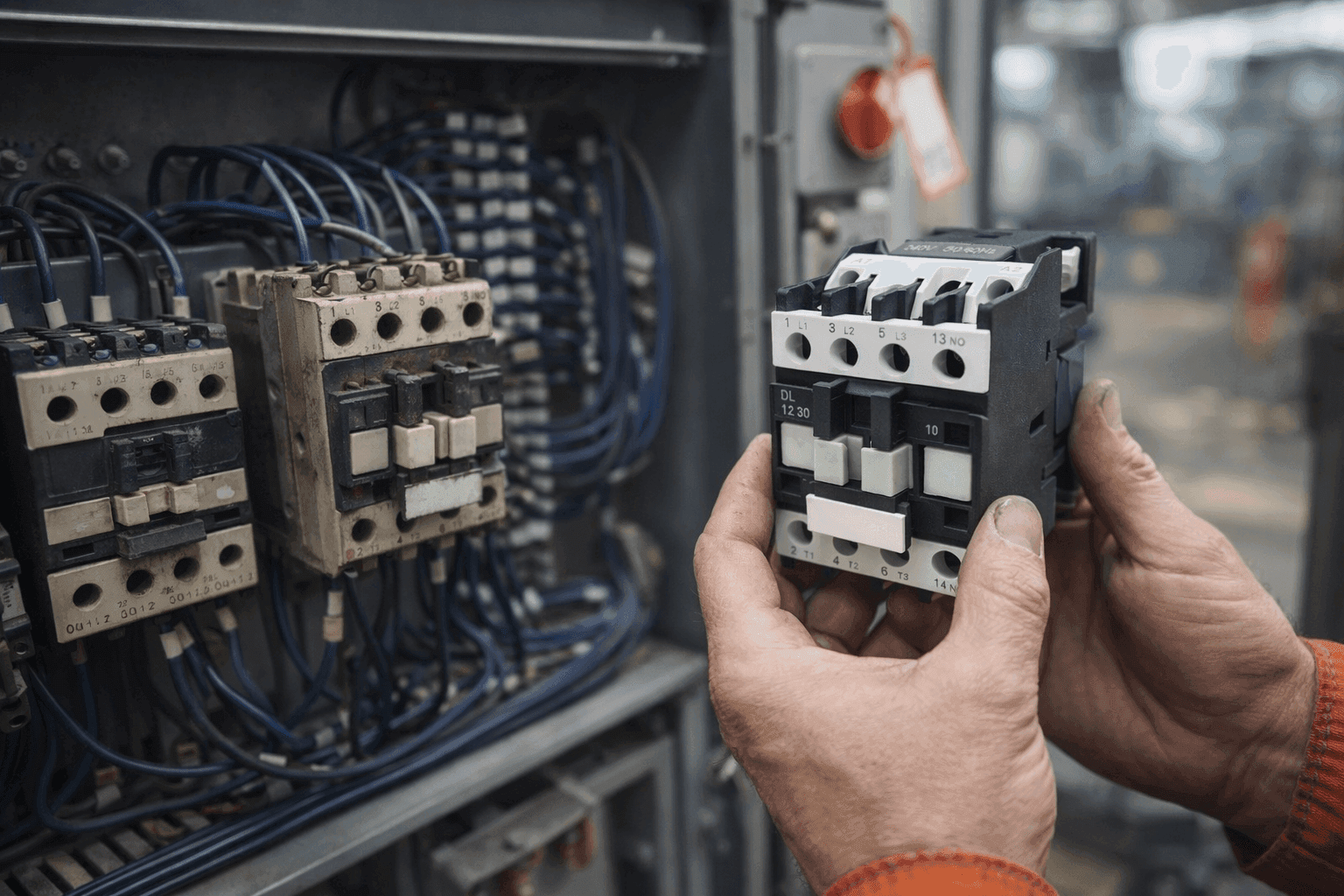
The LC1D0910 is a standardIEC-rated contactor, often found in motor control centers, HVAC systems, and industrial automation panels. It is typically a3-pole contactor rated at 9A, with a single normally open auxiliary contact. These are most commonly used for motor starters up to 4kW at 400V.
Its popularity comes from its reliability, modularity, and compact footprint. But when the original part is discontinued or unavailable, finding an equivalent requires attention to detail.
What to Look for in a Replacement
Here are the five most important specs to match when choosing a replacement for the LC1D0910:
- Coil Voltage Compatibility
Make sure the voltage (AC or DC) and frequency match your control system — usually 24V, 110V, or 220V AC. - Current Rating & Application
Stick with 9A unless your load demands otherwise. Going over or under can cause either overheating or poor contact performance. - Contact Configuration
The standard LC1D0910 comes with 3 power poles and 1 NO (Normally Open) auxiliary contact. Verify this against your wiring diagram. - Mounting Type
DIN rail vs. screw-mount? Most replacements are DIN-rail-ready, but some panels may be custom. - Certifications & Quality
Look for UL, CE, or equivalent markings. Better yet, go for brands that offera warranty and money-back guarantee, like BRAH Electric does on all their contactor replacements.
Why Aftermarket Replacements Make Sense
OEM parts can be expensive, backordered, or completely discontinued. In these cases, quality aftermarket solutions are a smart move — if they meet the same specs.
BRAH Electric, for instance, manufacturesdirect-fit contactor replacementsthat are built to OEM dimensions, ensuring a quick swap with no extra wiring or mounting headaches. Their contactors also come with a2-year warranty, which helps minimize risk for facilities that can’t afford unplanned downtime.
For more on theirmotor control solutions, explore theirmotor controls section.
Avoiding Common Pitfalls
- Don’t rely solely on the part number.
Specs can vary based on the coil voltage or contact type, even with the same base number. - Avoid “universal” replacements unless you’re certain.
Not every 9A contactor is a drop-in fit for LC1D0910 — mounting holes, contact arrangements, and depth can vary. - Don’t skip the datasheet.
Always review the product datasheet or catalog to confirm specs and dimensions. You can download BRAH Electric’sfull catalog here.
Key Takeaways
- The LC1D0910 contactor is a widely used component in motor control, and choosing the right replacement is crucial.
- Check coil voltage, contact configuration, and size before buying a replacement.
- Aftermarket replacements like those offered byBRAH Electriccan be just as reliable as OEM parts — often with better support and warranties.
- A proper replacement ensures minimal downtime and long-term reliability.
- Always verify specs, especially for industrial installations where safety and compliance matter.
FAQs
What does LC1D0910 mean in a contactor model number?
It’s an IEC part number where “LC1” refers to the contactor series, “D09” specifies a 9A current rating, and “10” indicates the auxiliary contact configuration (1 NO contact).
Can I replace the LC1D0910 with a different brand?
Yes, as long as the replacement matches the technical specs — coil voltage, current rating, and mounting type — it will work safely and reliably.
Is it safe to use aftermarket contactors like the ones from BRAH Electric?
Absolutely. When sourced from trusted manufacturers, aftermarket contactors offer OEM-level quality, often with added perks like extended warranties and better availability.
How do I install a replacement LC1D0910 contactor?
Turn off all power, verify correct part specs, mount the unit securely on the DIN rail, and match the wiring exactly as per the old unit or your circuit diagram.
What warranty do I get with BRAH Electric contactors?
BRAH Electric offers a2-year warrantyon all contactor replacements, including free replacement shipping if the part is defective or mislabeled.